We didn't set out to make cable.
We set out to record and play. The cable came years later, out of frustration — and it turned out to be the thing we were best at.
A studio business first, a cable company second
Tone Vault Audio & Media™ was formed as a recording studio business by musicians in active gigging bands. Doing work in multiple facilities as well as in a mobile fashion, all while playing live music also — we've tested the performance and longevity of cables and the demands needed for a great, go-to cable.
That started in 2016, and for the first several years there was no product at all — just sessions, gigs, and a growing pile of cable that had let us down.
Which is a polite way of saying we broke a lot of cable. In a studio you find out which ones hum. On a stage you find out which ones die when someone stands on them. Doing both, in different rooms, week after week, you end up with strong opinions about connectors.
The frustrating part was the choice on offer. Cable that performed properly cost more than a working musician wanted to spend, and cable priced for a working musician kept failing. Nobody seemed to be building the one in the middle — so eventually we stopped waiting and built it ourselves.
Studio and stage
Tested in working rooms and on live gigs, not on a bench.
We hold the stock
Warehoused and shipped by us in Elk River, Minnesota.
We own the warranty
Claims come to us. No marketplace ticket queue in between.
You reach a person
The people who answer the email are the people who pack the box.
Built by working musicians
Same person, three different ways of finding out whether a cable is any good.

Where you find out which cables hum. A noise floor problem in a studio is rarely the microphone.
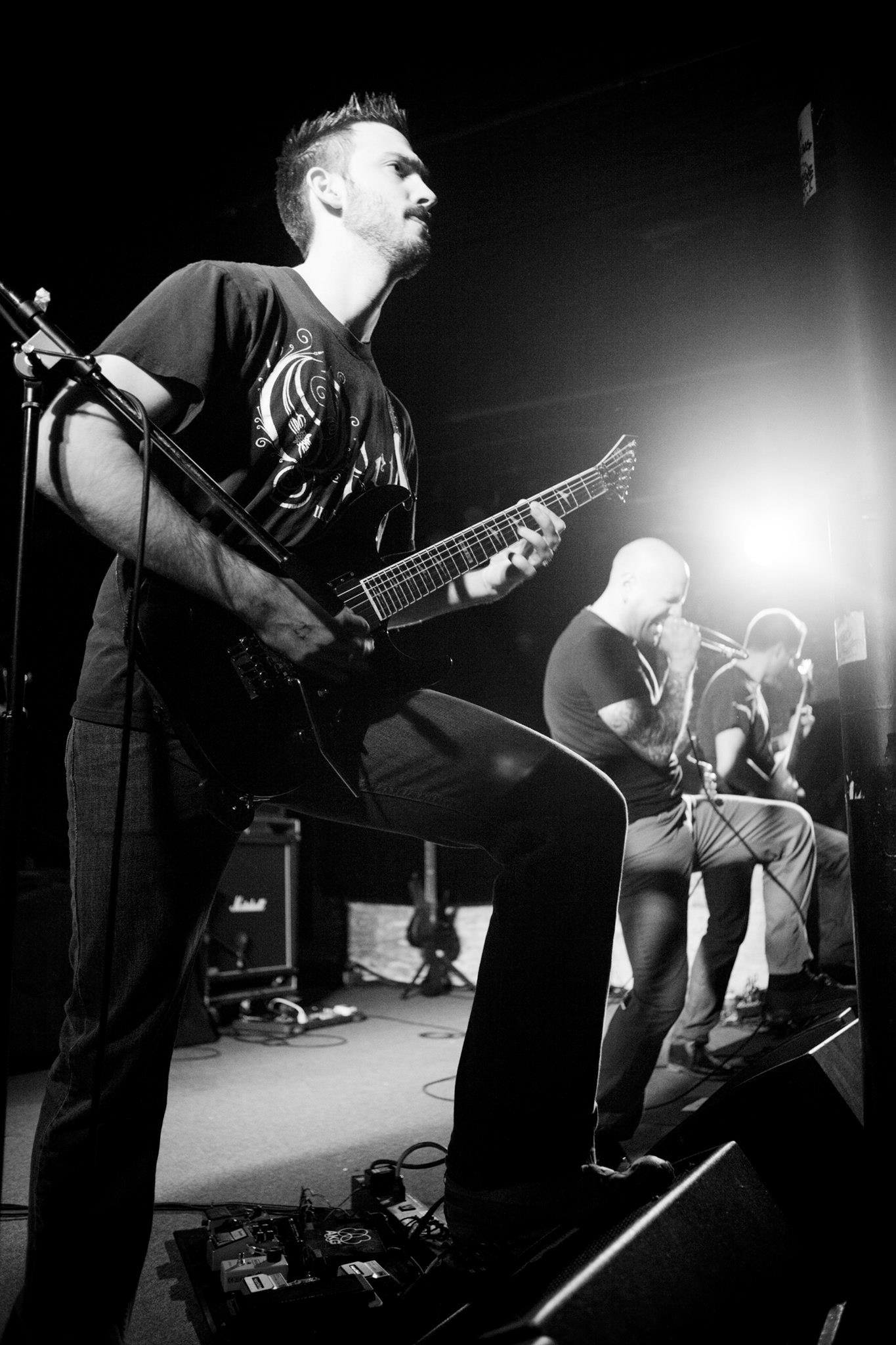
Where you find out which ones survive being stood on, coiled wet, and thrown in a case at 1am.

Where a single bad connection ruins a take for everybody, and you learn to care about shielding.
Every spec is a complaint we had
None of these decisions are marketing. Each one is a response to something that went wrong on a gig.
Spiral shielding fails when you coil a cable a thousand times. The Professional Series uses a 95% tin-coated OFC braid instead — the strongest RF/EMI rejection with the most durability, and no shield failure from frequent use.
Corroded pins crackle. Gold is a noble metal — it doesn't readily react with chemicals in most environments, so the contact stays clean for the life of the cable.
Twist is what kills a cable from the inside. Cotton batting minimizes twist during winding and coiling, separates each core to reduce RF/EMI transfer, and promotes the highest fidelity possible.
Cables usually fail at the joint, not along the run. Shrink wrapping the solder points exists to negate vibrational solder failure — the slow death of a cable that lives in a gig bag.
Together that combination is what we call Tone Shield™ — our specific layering of shielding and OFC copper ratings, unique to our cables. See how it works →
Endorsing artists & studios
Bands and rooms running Tone Vault on stage and in sessions.
Caio Thomas
Chad Helmonds
Taylor Haagensen
Pop-punk · Iowa
Minneapolis, MN Studio
Interested in an endorsement? Get in touch — we work with gigging bands and working rooms, not follower counts.
World class quality, small town price.
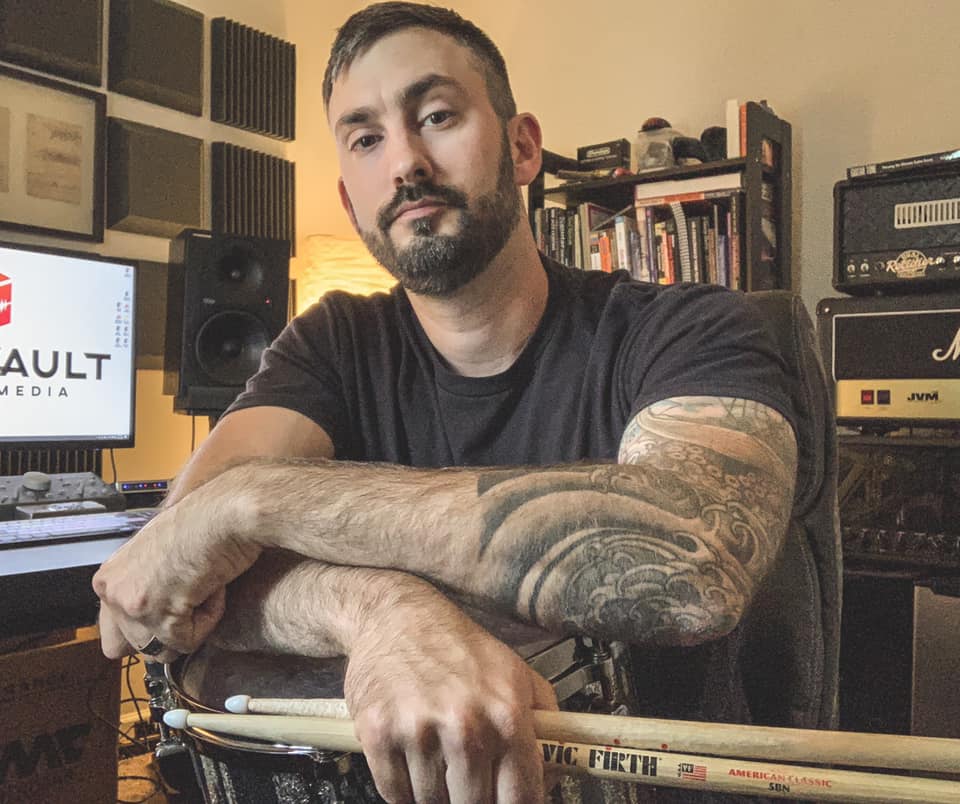
That line isn't a slogan, it's the brief. I wanted a cable I'd be happy to put on a session and happy to hand a player who's just starting out — and I didn't want to charge boutique money for it.
So the specs compete with the best cables out there while the price stays reachable. Every cable ships with two cable wraps, because over-under wrapping is genuinely how you make a cable last and nobody hands you the wraps to do it with.
And the warranty is ours to honour. If a Professional or Headliner Series cable fails, it's covered for life — we send a prepaid label, we repair or replace it, and we pay the shipping both ways. That's a promise we can only make because we believe the cable won't come back.
Have a look at what we make.
Microphone cable, instrument cable, patch cable and guitar wall mounts — all built to the same standard, all covered by us.
Questions? [email protected]